NEWS | 23 October 2026
CHEDAR at ICOMOS GA2026 in Kuching, Malaysia
Partnership for Cultural Heritage Resilience
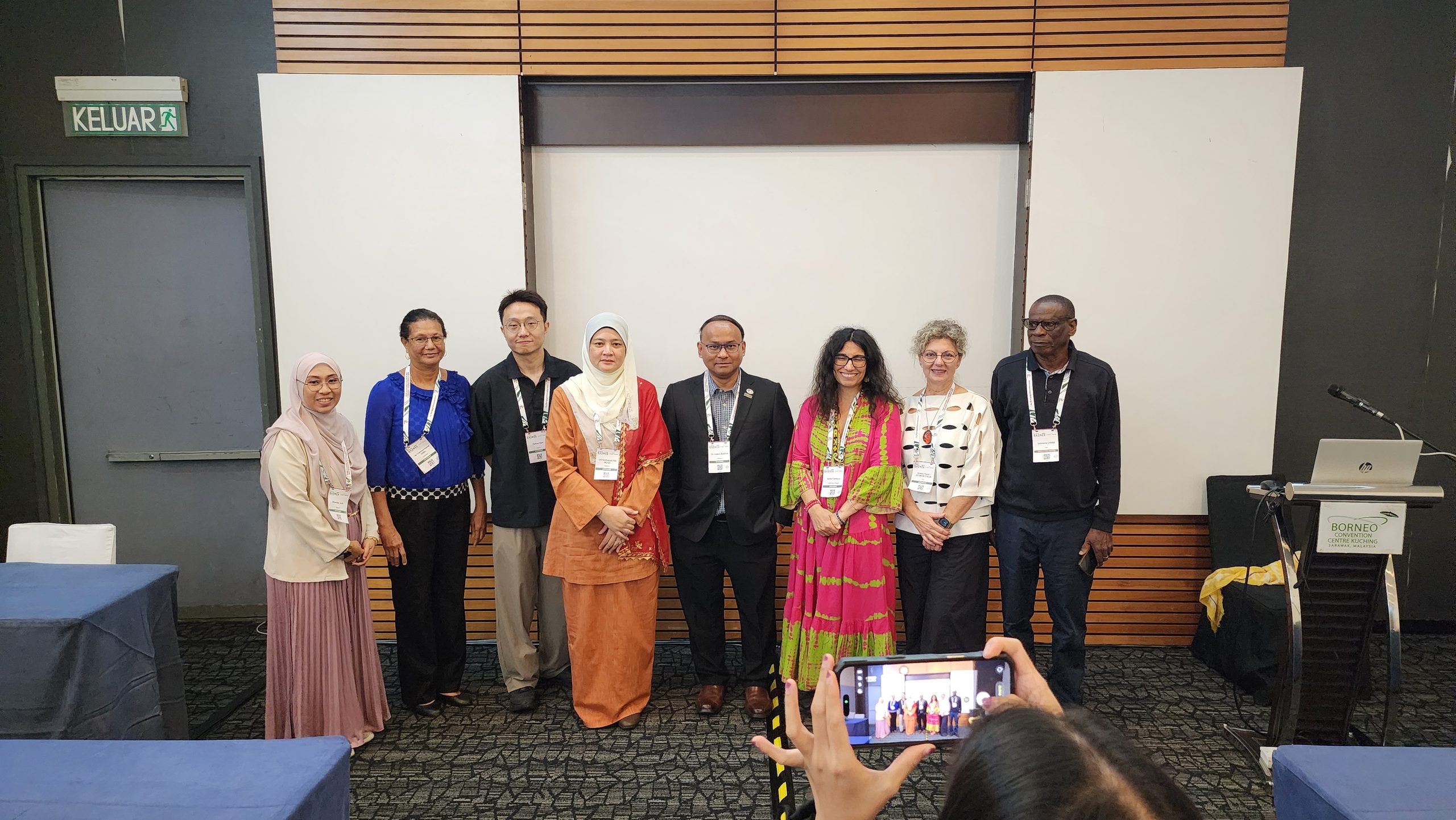
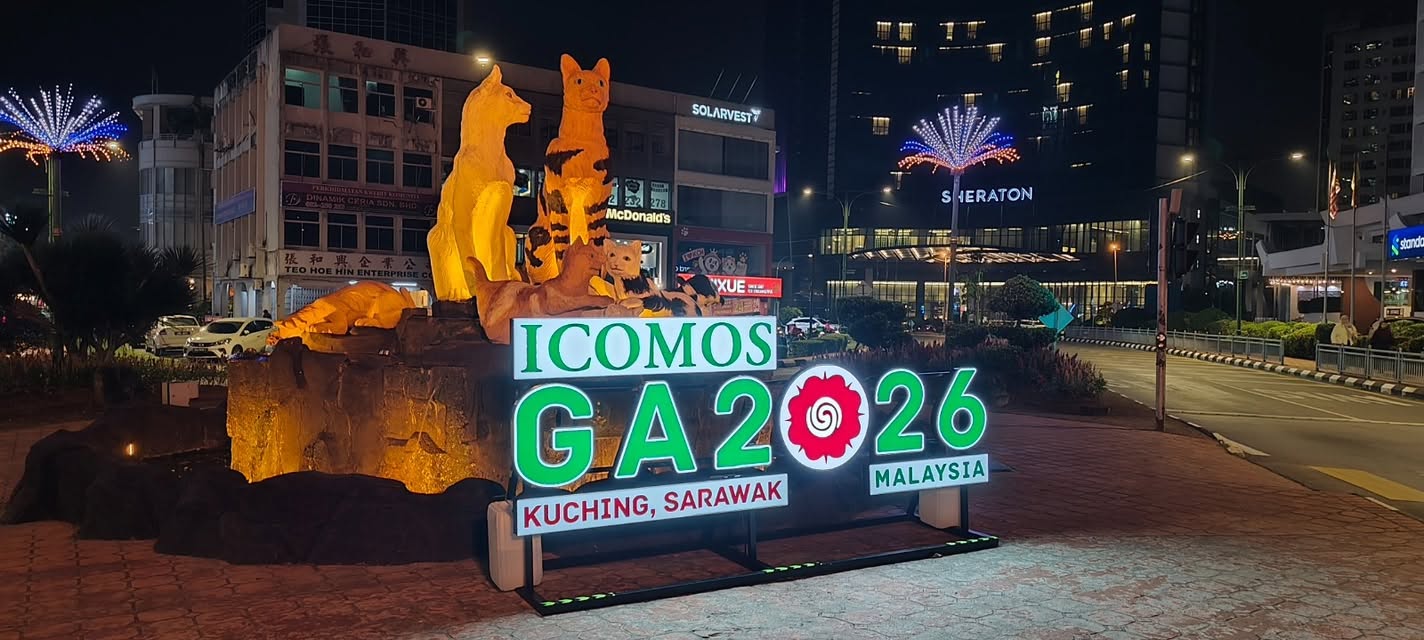
The 22nd ICOMOS General Assembly and Scientific Symposium brought together heritage professionals, researchers and institutions in Kuching, Sarawak, Malaysia, from 17 to 24 October 2026.
Under the theme Living Heritage: Respect. Enhance. Accept. Partnership, he event provided an international platform for exploring the relationships between cultural heritage, communities and contemporary conservation challenges.
SCIENTIFIC CONTRIBUTION
Grazia Tucci Presents CHEDAR
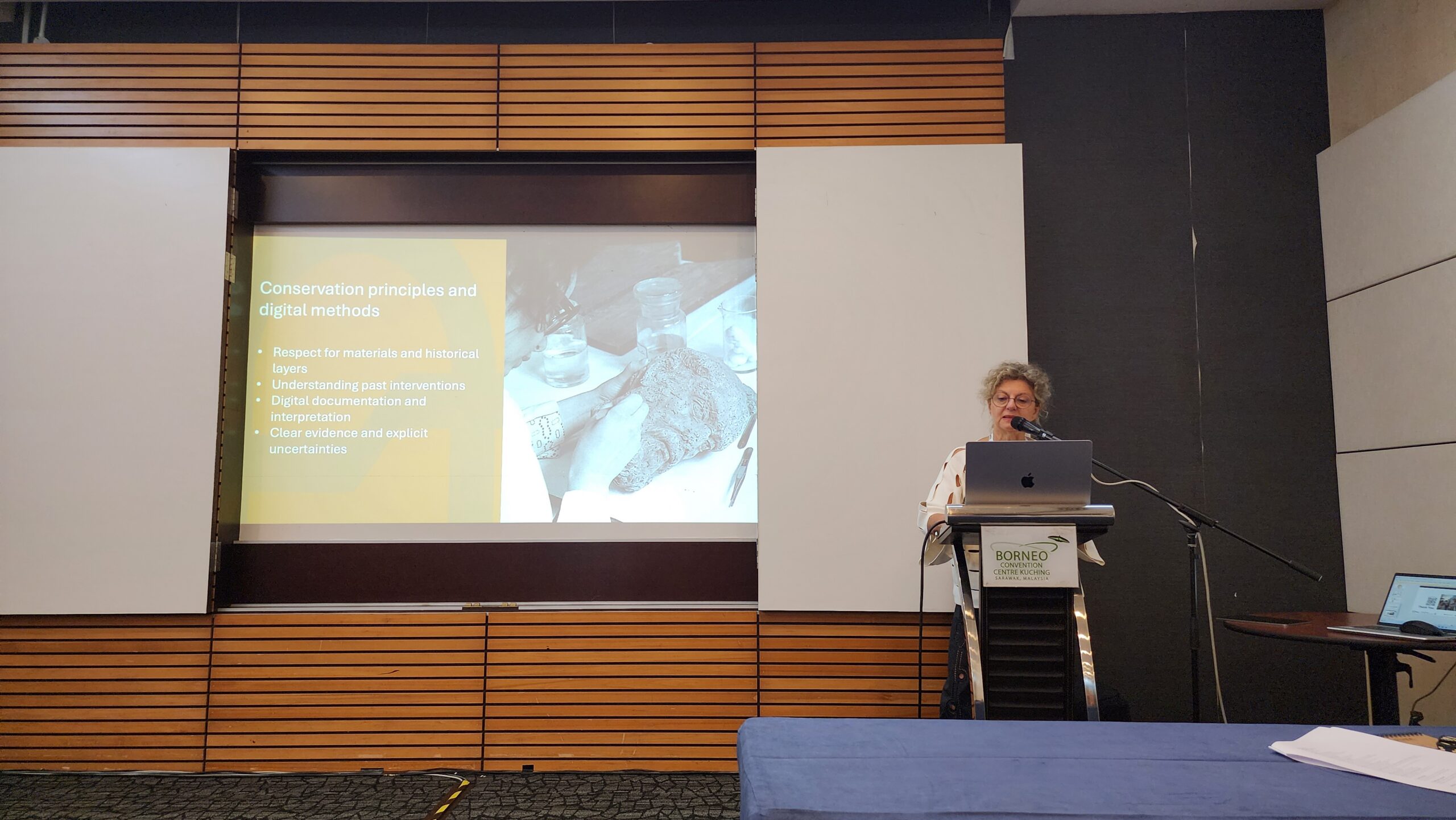
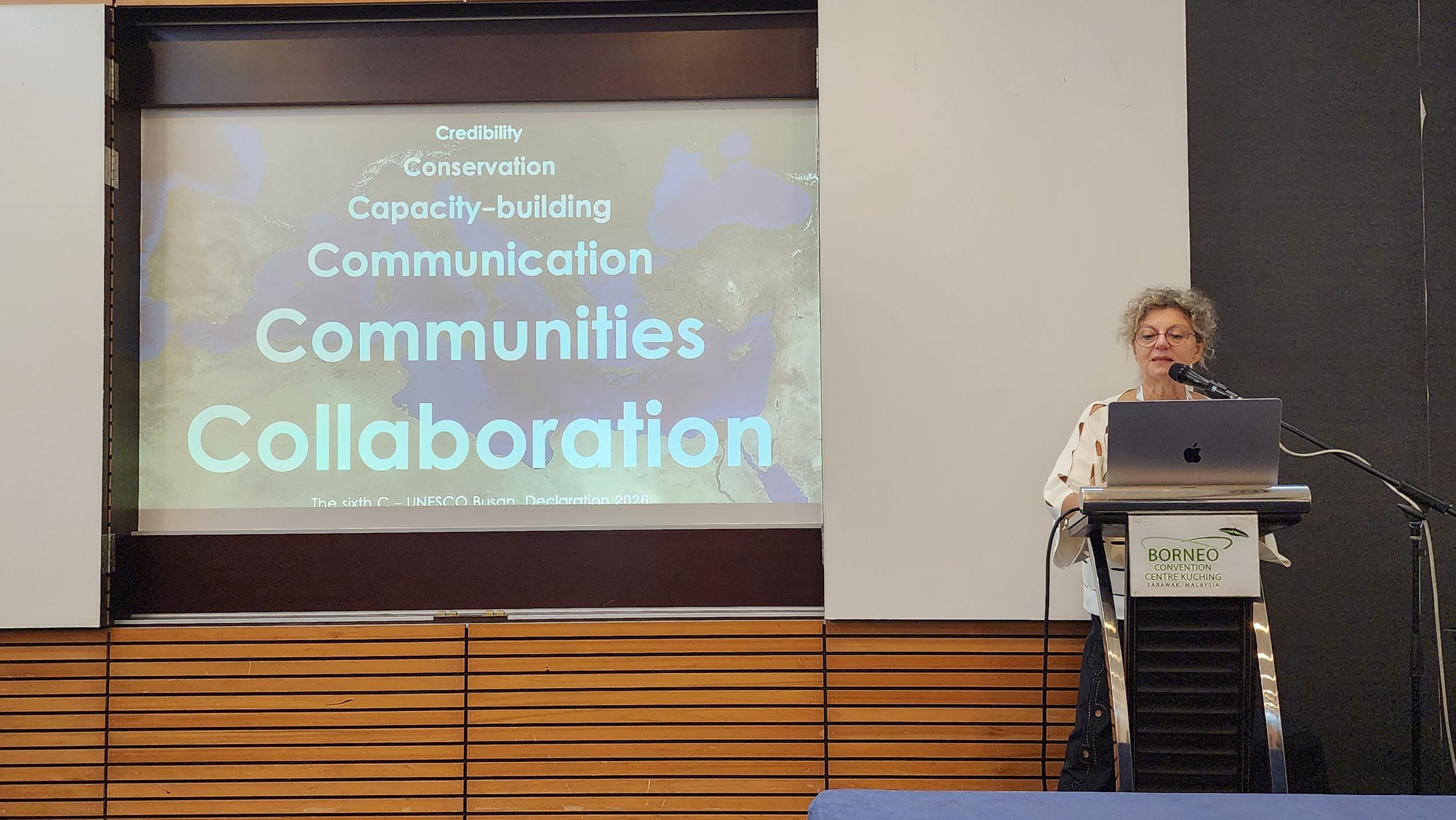
On 20 October, Prof. Grazia Tucci from the University of Florence presented CHEDAR's collaborative approach to cultural heritage resilience, highlighting how interdisciplinary knowledge, digital technologies and international cooperation can support informed conservation decisions.
Her contribution, entitled “Cultural Heritage Digitization and Resilience: a collaborative model for the resilience of cultural heritage in the wider Mediterranean”, highlighted the importance of bringing together different forms of knowledge to support informed conservation decisions.
CASE STUDIES
From the Grotto of Animals to the Arno Digital Twin
The presentation illustrated CHEDAR's interdisciplinary approach through two examples from Florence, demonstrating how digital technologies and collaborative research can support heritage conservation. The presentation illustrated CHEDAR's interdisciplinary approach through two examples from Florence, demonstrating how digital technologies and collaborative research can support heritage conservation.
At the Grotto of Animals in the Medici Villa of Castello, three-dimensional surveys carried out by the University of Florence, together with diagnostic investigations and environmental monitoring conducted by CNR in collaboration with the museum authorities, contribute to understanding the grotto's complex historical hydraulic system. Through the SENNSE platform, geometric documentation and sensor observations can be integrated to investigate environmental conditions and inform conservation and maintenance decisions.
At the urban scale, CHEDAR's work on the Arno Digital Twin is developing a platform to connect spatial information and support the assessment of urban and environmental risks across Florence's historic landscape. Both examples highlight the importance of combining different forms of evidence and expertise to understand cultural heritage and support informed conservation decisions.
TRAINING & CAPACITY BUILDING
Learning Across Disciplines
Advanced training is a central component of CHEDAR's approach to cultural heritage conservation. Through CHEDARacademy, the project is developing interdisciplinary learning opportunities across six connected fields, bringing together digital transformation, conservation, risk assessment, communication and cultural heritage rights.
Training combines theoretical knowledge with practical activities and international exchanges, helping heritage professionals understand different methods, interpret digital information and apply new skills to conservation challenges.
This approach is reflected in LanD2027, an international training programme co-organised with the Department of Culture and Tourism in Abu Dhabi. Combining online learning with field training in Al Ain in April and May 2027, the programme will explore cultural landscapes as dynamic, living systems, using Hili Oasis as a case study.
By connecting technological expertise with conservation knowledge and participatory approaches, CHEDAR aims to strengthen professional capacities and support sustainable heritage management.
NTERNATIONAL PARTNERSHIPS & COLLABORATION
From Knowledge Exchange to Shared Action
With the wider Mediterranean as its principal geographical focus, CHEDAR fosters dialogue between different conservation traditions, bringing together expertise rooted in local materials, technical skills and cultural practices. Shared challenges, from water management and climate adaptation to environmental risks, provide opportunities for developing collaborative approaches to heritage conservation.
This dialogue also extends beyond the Mediterranean. Two workshops with colleagues from Japan and a recent meeting in Matera with Mediterranean participants have provided opportunities to compare methodologies, exchange experiences and develop shared activities. An agreement with the Department of Culture and Tourism in Abu Dhabi further supports CHEDAR's international cooperation.
At ICOMOS GA2026, Grazia Tucci placed collaboration at the centre of a practical question: how can knowledge held by different people and institutions become a shared capacity to care for cultural heritage? Effective collaboration requires more than exchanging information or technologies. It means bringing different forms of expertise together, making evidence understandable, acknowledging uncertainties and recognising the role of those who preserve and transmit living knowledge.
For CHEDAR, the challenge is to make this cooperation last beyond individual projects, through accessible and usable documentation, continued opportunities for learning and partners able to carry shared responsibilities forward.
Grazia Tucci concluded her presentation with a question that captures the purpose of this approach: Does partnership help people understand their heritage better and care for it more effectively?