

PROJECT PRESENTATION
How the Chedar Project has been coincived
Knowledge of, and safeguarding of, cultural heritage are essential for sustainable growth, in environmental, social and economic terms. It is in this context that the CHEDAR project was conceived as a symbolic and practical development of the physical reproduction of Michelangelo's David for the Italian pavilion at Expo 2020 Dubai.
The statue, the result of a collaboration between the University of Florence and the Expo 2020 General Commissioner’s Office, was later gifted to the United Arab Emirates. This marked the beginning of a broader reflection on the use of digitization as a tool for preserving and enhancing cultural memory.
Italy, a longstanding reference point in heritage protection, has successfully transformed its experience, including in emergency contexts, into expertise that supports cultural diplomacy. Building upon this tradition, CHEDAR addresses the risks, both natural and man-made, that threaten cultural assets, ranging from armed conflict and environmental disasters to the effects of climate change.
The project supports the establishment of a research and advanced training centre dedicated to the digitization and reproduction of cultural heritage, with a strong focus on innovation and process quality. Particular attention is given to defining shared standards to ensure the reliability of the digital data produced.
The centre will be a hub where artificial intelligence, new technologies, visual languages and creativity converge. The aim is to develop tools and skills to document, conserve and transmit the cultural value of heritage assets, ensuring their sustainable and mindful enjoyment by future generations.

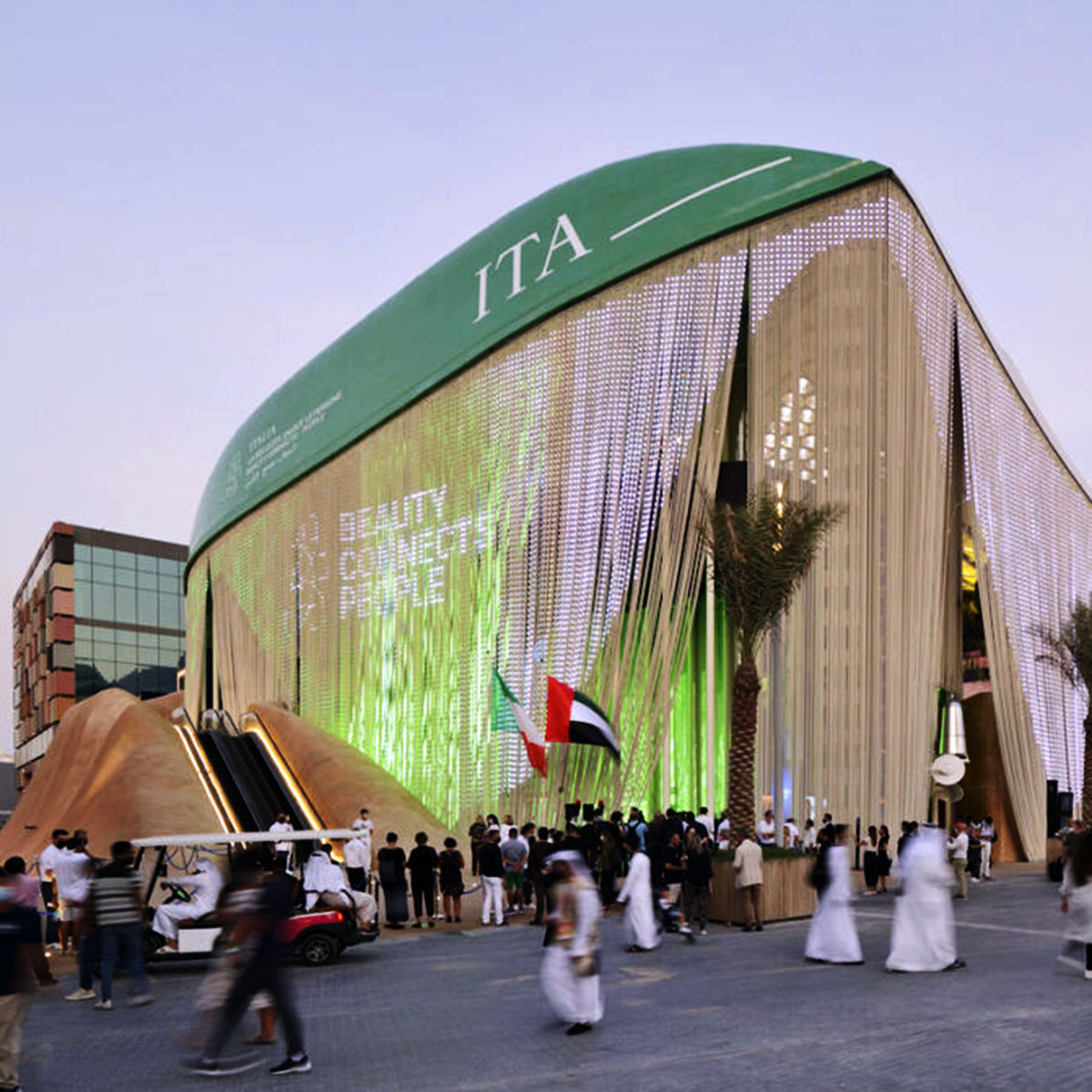
THE LEGACY EXPO 2020 DUBAI CALL
A Global Initiative for Heritage Digitization
CHEDAR (Cultural HEritage Digitalization And Resilience) was one of the projects selected in response to the “Legacy Expo 2020 Dubai” call for proposals, which was promoted by the Italian Ministry of Universities and Research (MUR).
Led by Professor Grazia Tucci of the Department of Civil and Environmental Engineering (DICEA) at the University of Florence, the project was awarded €2,360,000 in funding to develop novel approaches to the digitization and reconstruction of cultural heritage.
The initiative falls within the framework of the 'Legacy Expo 2020 Dubai Internationally Significant Project', which was presented at Expo 2020 in Dubai.
With a total budget of €7 million, the MUR is supporting advanced training and research projects on a global scale, in line with the objectives of the National Recovery and Resilience Plan (NRRP) – Mission 4, 'Education and Research'.
The call outlines three areas of intervention: an Arab-Mediterranean campus; a centre for cultural heritage digitization; and a campus dedicated to food transformation.

With an inclusive and far-reaching vision, CHEDAR is aimed at countries across the broader Mediterranean region. Its goal is to redefine the boundaries of this strategic area by acknowledging its complexity and cultural diversity.
As the historian Fernand Braudel once wrote:
«What is the Mediterranean? A thousand things at once. Not a single landscape, but countless landscapes. Not a single sea, but a succession of seas. Not a single civilization, but a series of civilizations.»
It is a mosaic of cultures, histories and territories which is increasingly exposed to natural and human-made threats, such as climate change, social and economic inequality and political instability. These threats endanger a cultural heritage of inestimable value, both tangible and intangible, which must be urgently understood, documented and protected.